



Gender and Diversity in Candidate Nomination Processes: Barriers, Mechanisms, and Research Perspectives
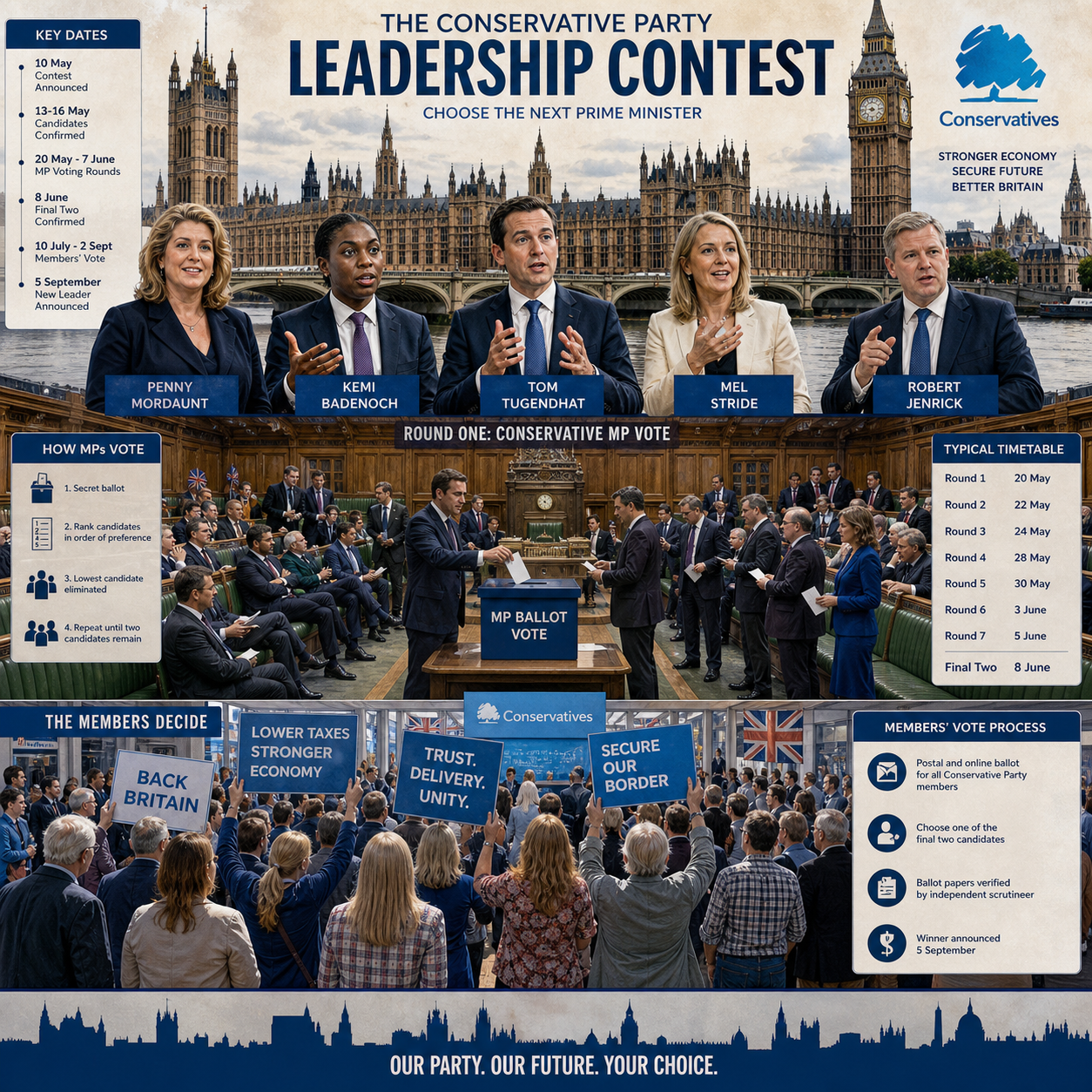
When scholars examine why legislatures remain demographically unrepresentative, the instinct is often to look at election results. The more revealing question, however, is what happens before the ballot is printed. Candidate nomination processes — the internal party procedures that determine who appears on a ballot — are where representational diversity is most frequently shaped, constrained, or foreclosed. Understanding these processes is foundational for anyone studying electoral politics, descriptive representation, or party organization.
Why Nomination Processes Are the Critical Gatekeeping Stage
The nomination stage is analytically prior to the general election and, for most candidates, far more decisive. In many electoral systems, winning a party's nomination in a safe or competitive seat is effectively equivalent to winning the seat itself. This means that whoever controls access to nominations controls the demographic composition of legislatures.
Political scientists have long recognized that party gatekeepers — whether formal committees, party executives, or local membership bodies — exercise substantial discretionary power at this stage. Their preferences, biases, and strategic calculations filter the candidate pool before voters ever engage. Pippa Norris and Joni Lovenduski's foundational work on political recruitment in Britain demonstrated that the selectorate's composition and decision criteria matter as much as the broader political environment.
This framing has a practical implication for research design: studies that focus exclusively on electoral outcomes without examining nomination procedures will systematically underestimate the mechanisms producing unequal representation. The gatekeeping function of nominations is where the analytical action is.
How Nomination Systems Vary and Why It Matters for Diversity
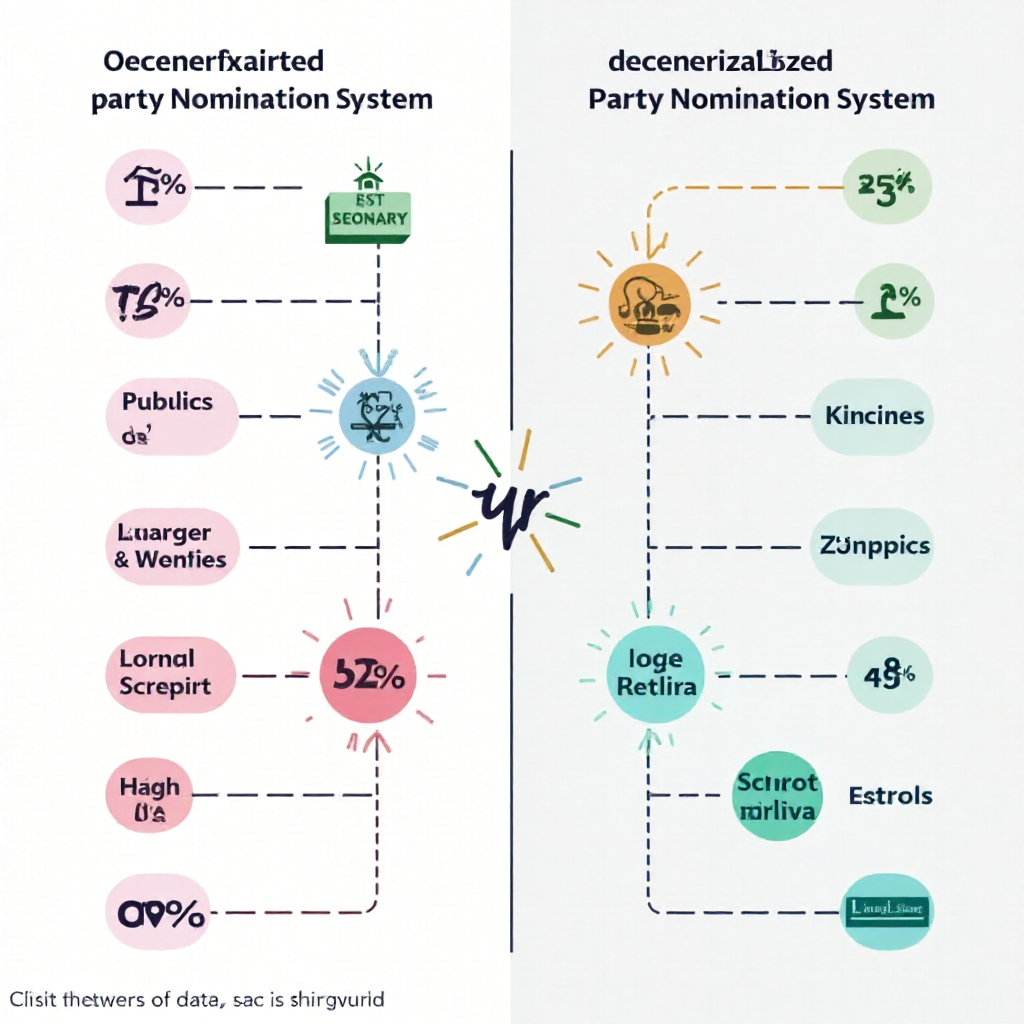
Nomination systems differ along a centralization spectrum, and each point on that spectrum produces different diversity outcomes. At one end, centralized selectorates — national party executives or leadership committees — can impose gender quotas or diversity targets with relative ease. At the other end, highly decentralized systems that delegate selection to local party members or open primaries diffuse authority in ways that can entrench local preferences, which are not always diversity-friendly.
Open primaries expand the selectorate to registered voters or even all voters, which sounds democratizing but introduces its own complications. Research on U.S. primary elections suggests that primary electorates tend to be older, whiter, and more ideologically homogeneous than the general electorate — conditions that do not systematically favor diverse candidates. Closed party ballots, by contrast, keep selection within activist networks that may be more or less receptive to diversity depending on party culture.
Appointment models — where a central authority directly places candidates on lists — offer the strongest lever for engineering representational change, but raise legitimate questions about intra-party democracy. The trade-off is real: greater central control over nominations enables faster demographic change but reduces the legitimacy claims of grassroots selection.
Structural Barriers Facing Women and Underrepresented Candidates
Structural barriers operate before any formal vote is taken, shaping who presents themselves as a candidate and how gatekeepers evaluate them. Three clusters of barriers recur consistently in the comparative literature.
Incumbency advantage is perhaps the most durable. Sitting legislators benefit from name recognition, established donor networks, and organizational infrastructure that challengers — disproportionately drawn from underrepresented groups — rarely match. In systems with strong incumbency protection, demographic change in legislatures is structurally slow even when party rhetoric favors diversity.
Resource disparities compound incumbency effects. Fundraising capacity, professional networks, and the ability to absorb the financial risk of a political career are unequally distributed by gender, class, and ethnicity. Candidates who lack these resources face higher opportunity costs, which suppresses supply from underrepresented groups independently of any explicit discrimination.
Informal network exclusion is harder to measure but well-documented qualitatively. Many candidate recruitment conversations happen in settings — party social events, professional associations, informal mentoring relationships — from which women and minority candidates are structurally absent or made unwelcome. Stereotype-driven evaluation also operates at this stage: research on political ambition consistently finds that selectors apply higher evidentiary standards to women and minority candidates, requiring more extensive credentials before treating them as viable.
Demand-Side and Supply-Side Explanations in Academic Research
The supply-and-demand model of political recruitment, developed most systematically by Norris and Lovenduski, provides a useful analytical scaffold for situating empirical findings. Supply-side factors concern the pool of eligible and willing candidates: who has the resources, ambition, and qualifications to seek nomination. Demand-side factors concern party selectors: who they recruit, encourage, and ultimately choose.
Both sides of the model generate distinct research questions. Supply-side research asks why political ambition is gendered, why certain occupational pathways feed into political careers more than others, and how socialization affects candidacy decisions. Demand-side research examines selector preferences, the criteria used to evaluate candidates, and how party culture shapes recruitment norms.
A persistent methodological challenge is that supply and demand interact. Low supply from underrepresented groups can reflect anticipated demand-side discrimination — a rational anticipation of rejection that suppresses applications before any formal gatekeeping occurs. Disentangling these mechanisms empirically requires research designs that can observe both the candidate pool and selector behavior, which often demands access to internal party data that parties are reluctant to share.
Gender Quotas and Positive Action Measures: Evidence and Debate
Gender quotas — whether legislatively mandated reserved seats, candidate registration quotas, or voluntary party targets — are the most extensively studied intervention in the nomination diversity literature. The evidence on their effects is substantial but more nuanced than popular debate suggests.
Legislative quotas requiring parties to field a minimum proportion of women candidates have produced measurable increases in women's legislative representation across Latin America, Sub-Saharan Africa, and parts of Europe. The International IDEA database documents that countries with legislated quotas average significantly higher female parliamentary representation than comparable countries without them. However, effect size varies considerably depending on enforcement mechanisms, placement mandates on party lists, and the underlying electoral system.
Voluntary party quotas — adopted by parties without legal compulsion — show more heterogeneous results. Parties with strong organizational discipline and centralized candidate selection tend to implement them more effectively than parties with decentralized structures. The scholarly debate also distinguishes between descriptive representation (the demographic composition of legislatures) and substantive representation (whether elected members act on behalf of underrepresented groups' interests). Quotas reliably affect the former; their effects on the latter are contested and context-dependent.
Critics within the academic literature raise concerns about candidate quality trade-offs, legitimacy effects, and the risk that quotas produce token representation without structural change. These critiques deserve engagement rather than dismissal, though the empirical evidence for a systematic quality penalty from quotas is weak.
Intersectionality and Beyond Binary Gender Frameworks
Analyzing nomination processes through a binary gender lens captures only part of the representational picture. Intersectionality — the framework developed by Kimberlé Crenshaw to describe how multiple axes of identity compound or moderate social disadvantage — has become increasingly central to political recruitment research, and for good reason.
Women of color, candidates with disabilities, LGBTQ+ candidates, and candidates from working-class backgrounds face nomination barriers that are not simply additive combinations of single-axis disadvantages. The interaction effects can be qualitatively distinct. A Black woman candidate, for instance, may face evaluative frameworks that draw on both racial and gender stereotypes in ways that neither a white woman nor a Black man encounters in the same form.
Operationalizing intersectionality in empirical research on candidate selection presents genuine methodological challenges. Most available datasets categorize candidates by gender or ethnicity separately, making interaction effects difficult to isolate. Researchers have responded with mixed-methods designs — combining large-N comparative data with qualitative interviews of candidates and selectors — to capture the texture of compounded disadvantage. The field is still developing appropriate measurement frameworks, and this remains an active area of methodological innovation.
Expanding beyond binary gender categories to include non-binary and transgender candidates adds further complexity. Data availability is currently very limited, and most electoral systems' administrative categories do not yet accommodate non-binary identities, creating a structural blind spot in the comparative literature.
Open Research Questions and Directions for Academic Study
Several areas remain underexplored relative to their importance, and they represent productive territory for researchers in this field.
Party leadership selection is one. The literature on candidate selection for legislative seats is considerably more developed than research on how parties choose their leaders. Yet leadership selection involves its own distinct gatekeeping dynamics, often with smaller and more elite selectorates, and the diversity outcomes are striking: women remain significantly underrepresented in party leadership positions even in parties that have implemented candidate quotas for legislative elections.
Non-Western contexts represent another gap. Much of the foundational theoretical work on nomination processes was developed from European and North American cases. Applying and testing these frameworks in Southeast Asian, Middle Eastern, or African party systems — where party institutionalization, informal politics, and the relationship between formal rules and actual practice differ substantially — remains an important comparative project.
Digital-era recruitment is a newer frontier. Social media platforms have changed how candidates build profiles and how parties identify potential nominees. Whether these changes have democratized access to nomination pipelines or simply shifted the location of gatekeeping is an open empirical question. Research on online political participation suggests that digital spaces replicate some offline inequalities while creating new ones.
Finally, measuring informal gatekeeping remains a core methodological challenge. Formal rules are observable; the conversations, endorsements, and discouragement that happen outside formal processes are not. Ethnographic and interview-based methods have made progress here, but integrating these findings with large-N comparative work is still a work in progress.
Frequently Asked Questions
What is the difference between a selectorate and an electorate in the context of nominations?
The selectorate is the body authorized to choose a party's candidates — it may be a small committee, the full party membership, or registered primary voters, depending on party rules. The electorate is the broader voting public that chooses between nominated candidates in a general election. The selectorate is typically much smaller and more homogeneous, which is why its composition and criteria have outsized influence on who ultimately appears on ballots.
Do gender quotas improve substantive representation, or only descriptive representation?
The evidence suggests quotas reliably increase descriptive representation — the share of women holding legislative seats. Their effect on substantive representation — whether legislators actively advocate for women's policy interests — is more conditional. Studies from Scandinavia and parts of Latin America find positive substantive effects, but these appear to depend on factors like party ideology, legislative committee structures, and the presence of organized women's movements that can hold legislators accountable.
How does the electoral system interact with nomination diversity outcomes?
Proportional representation systems using party lists generally produce more diverse legislatures than single-member district majoritarian systems. In list PR systems, parties can use placement rules to ensure diverse candidates appear in winnable positions. In single-member systems, each nomination is a binary decision, which concentrates risk and tends to favor incumbents or candidates who fit dominant templates. However, electoral system design interacts with nomination rules — a PR system without placement mandates can still produce male-dominated lists if selectors face no incentive to diversify.
What methods are used to study informal gatekeeping in candidate selection?
Researchers have used elite interviews with selectors and rejected candidates, ethnographic observation of party selection meetings, and analysis of internal party communications where accessible. Experimental methods — including audit studies presenting fictional candidate profiles to party members — have been used to isolate evaluative bias. Each approach has limitations: interviews are subject to social desirability bias, ethnographic access is difficult to obtain, and experimental findings may not generalize to real selection contexts.
How is intersectionality operationalized in empirical research on political recruitment?
Operationalization strategies vary. Quantitative researchers often use interaction terms between demographic variables in regression models, though this requires sufficiently large samples of minority candidates to detect effects reliably. Qualitative researchers use intersectionality as an interpretive framework, analyzing how candidates describe their experiences of multiple, simultaneous disadvantages. A growing body of work uses mixed methods to combine both approaches, treating statistical patterns as context for deeper qualitative analysis of specific cases.