




The Role of Party Conventions in Leadership Selection
Introduction to Party Conventions
Political party conventions are formal gatherings where party members, typically delegates, meet to select their leadership and shape party platforms. These conventions play a pivotal role in the leadership selection process, serving as a central arena to nominate candidates and consolidate party support.
Initially designed as inclusive decision-making forums, conventions have evolved but still function as critical mechanisms for political party conventions to assert control over candidate nomination and confirm the party's chosen leader.
Historical Context and Evolution
Party conventions originated in the 19th century as alternatives to congressional caucuses and informal selections dominated by party elites. Early conventions aimed to democratize leadership choices by bringing together delegates representing various party factions and geographical areas.
Over time, the historical development of conventions reflects a shifting balance: from elite-dominated gatherings to more open and formalized processes, particularly in the United States and parliamentary systems. While initially decisive in selecting nominees, conventions later became stages for confirming leaders preselected through primaries or elite negotiations.
This evolution illustrates how conventions transitioned from being the sole leadership selectors to part of a broader mixed system that includes primary elections and other candidate vetting methods.
Mechanics of Leadership Selection at Conventions
The core of the leadership selection process at conventions involves delegates casting votes to nominate candidates. Delegates are often chosen through local party processes, elections, or appointments, reflecting different degrees of grassroots input versus elite control.
Delegate voting typically follows multiple rounds or ballots if no candidate achieves a majority initially. This voting determines which candidate receives the formal nomination and gains the party’s endorsement for the leadership role or electoral ticket.
The convention serves as a structured arena where candidates seek to build coalitions among delegates, negotiate support, and demonstrate popular and organizational backing. The role of party elites is especially crucial in influencing delegate behavior, endorsing candidates, and managing convention dynamics.
The Role of Conventions in Establishing Candidate Legitimacy
Party conventions play a significant role in fostering democratic legitimacy by providing a transparent, collective endorsement of leadership candidates. This public confirmation helps unify diverse party factions behind a chosen nominee, enhancing party unity.
By publicly showcasing the nomination through a formal vote of delegates, conventions signal that the candidate has widespread support from the party base and leadership. This legitimacy is critical for rallying activists, voters, and donors in the subsequent electoral campaign.
Moreover, conventions offer a platform to resolve intra-party rivalries and establish a cohesive agenda, further strengthening the leader’s authority and the party’s overall coherence.
Comparing Conventions with Primary Elections
The main difference between party conventions and primary elections lies in how leaders are chosen: conventions rely on delegate votes within a party framework, while primaries involve direct voting by the party’s rank-and-file members or the general electorate.
Primary elections often democratize the selection process by giving registered voters a direct say in candidate nomination, reducing the influence of party elites. In contrast, conventions traditionally act as deliberative forums where party insiders and selected delegates wield significant influence.
However, the two are increasingly intertwined. Many political systems use primaries or caucuses to select delegates pledged to certain candidates, who then vote at conventions. This hybrid approach balances broad voter input with organized party decision-making.
Variations Across Political Systems
Party conventions differ widely across political systems and political party systems. In presidential systems like the United States, conventions are key sites for nominating presidential candidates and rallying party support before general elections.
By contrast, parliamentary democracies often use conventions or party congresses mainly to select party leaders who may become prime ministers or cabinet heads, with less public spectacle. Some countries treat conventions as formalities confirming elite decisions rather than competitive votes.
Differences also arise depending on the strength of party discipline, the openness of delegate selection, and the balance between national and local party organizations. These factors shape how conventions function, either as vibrant democratic assemblies or controlled selection mechanisms.
Academic Perspectives on Party Conventions
Academics study party conventions as both democratic mechanisms and organizational tools within political parties. Research highlights that conventions serve multiple functions: legitimating leadership, resolving conflicts, and mobilizing party activists.
Political scientists emphasize that while conventions can enhance inclusiveness compared to elite-only selections, their democratic quality depends on how delegates are chosen and how transparent the process is. For example, some scholars argue conventions reinforce elite control despite formal democratic trappings.
Further studies explore how conventions affect party stability and electoral success by forging unity or exposing factional tensions. Overall, conventions remain a crucial subject in understanding internal party democracy and leadership dynamics.
Frequently Asked Questions
What is the difference between a party convention and a primary election?
A party convention is a gathering of party delegates who vote to nominate leadership candidates, while a primary election allows party members or voters directly to select candidates in a public election. Conventions are more controlled by party structures, whereas primaries tend to be more democratic and voter-driven.
How do party conventions impact leadership legitimacy?
Conventions confer legitimacy by publicly endorsing a candidate through delegate votes, which helps unify party factions and builds broad support for the nominee, enhancing their authority within the party and electoral prospects.
Are party conventions still relevant today?
Yes, despite the rise of primaries, conventions remain relevant as forums to finalize nominations, rally party activists, and showcase party unity. They also provide a venue for formal decision-making and strategic planning.
How do delegates get chosen for conventions?
Delegates may be elected by local party members, appointed by party officials, or selected through primary elections depending on the party and country. Their representativeness varies widely, influencing the democratic nature of the convention.
What are some examples of important party conventions in history?
Historical conventions such as the 1924 Democratic National Convention, which famously took 103 ballots to nominate a candidate, or the 1968 Democratic Convention known for significant political protests, demonstrate the critical and sometimes contentious role conventions have played in leadership selection and party politics.
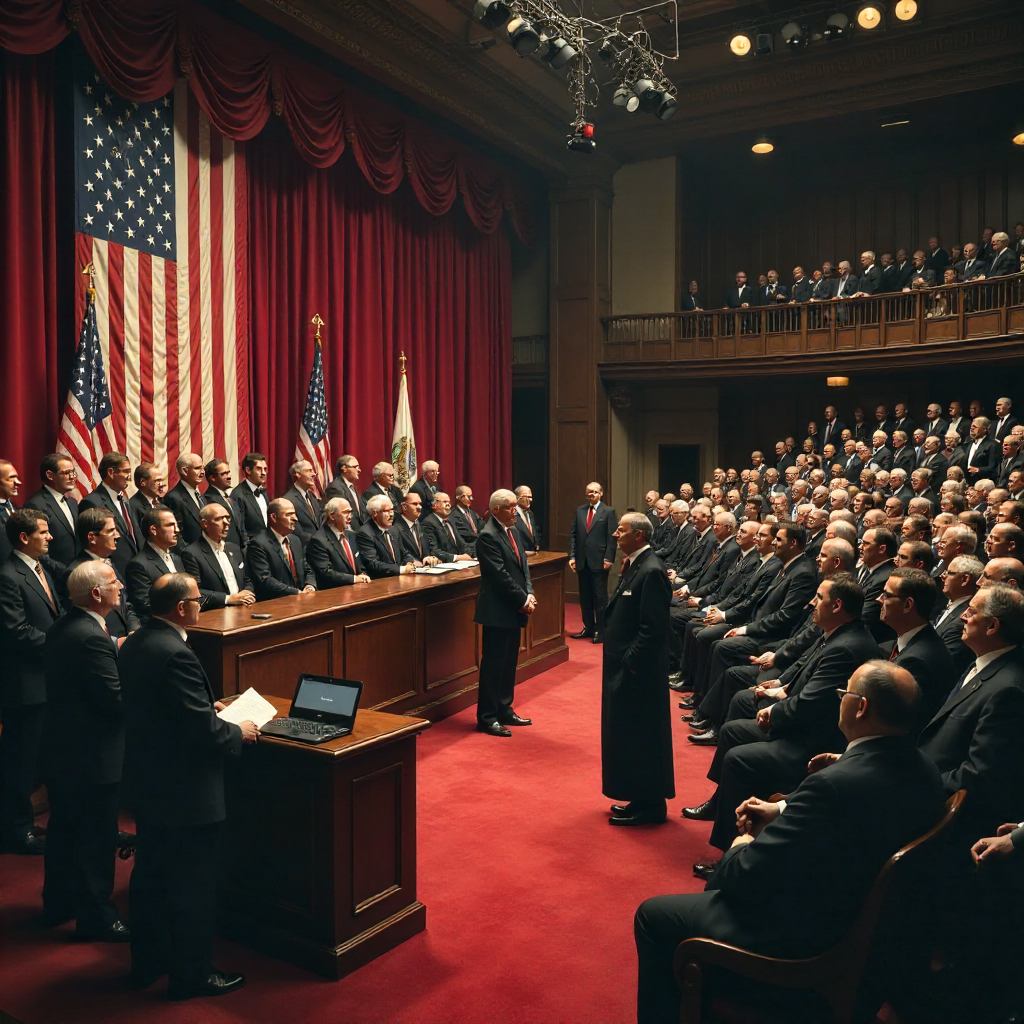
For further in-depth analysis, academic resources such as the Encyclopedia Britannica's entry on political conventions provide comprehensive overviews of these processes.